
What separates a snapshot from a piece of nature art? It often comes down to three elements:
Modern creators use digital tablets and algorithmic tools to re-imagine ecological patterns, creating abstract interpretations of landscapes and wildlife movements. Expressionism and Emotion
While wildlife photography is barely 200 years old, nature art dates back to prehistoric cave paintings. Early Scientific Roots
Today, the boundaries are blurring. Digital artists blend photographic textures into paintings, while photographers use advanced post-processing techniques to give their images a painterly, fine-art aesthetic. 2. Wildlife Photography: The Art of the Patient Witness artofzoo yasmin full
Renowned for richness and depth, painting allows artists to play with texture and light. Artists can capture the luminous glow of a sunset through a forest canopy or the dense weight of a grizzly bear's fur.
As I made my way through the forest, the sounds of the wild surrounded me – the chirping of birds, the rustling of leaves, and the distant roar of a waterfall. I had been tracking a family of deer for hours, waiting for the perfect shot. Suddenly, they emerged from the underbrush, their large brown eyes alert and watchful. I clicked the shutter, capturing the moment as they frolicked in the morning light.
Wildlife photography and nature art are more than hobbies; they are a celebration of the planet’s resilience and beauty. As we continue to navigate a changing climate, these visual records become increasingly precious. They are a reminder of what we have, what we stand to lose, and the incredible artistry inherent in every leaf, feather, and scale. What separates a snapshot from a piece of nature art
High-speed burst rates, advanced autofocus tracking systems, and telephoto lenses (ranging from 400mm to 800mm) are standard tools. Photographers must balance fast shutter speeds (often 1/2000th of a second or quicker) with wide apertures to isolate the subject against a softly blurred background (bokeh).
The Shared Canvas: Capturing the Earth Through Wildlife Photography and Nature Art
Great wildlife photographers spend weeks researching their subjects. Knowing a predator’s hunting patterns, a bird’s mating dance, or an insect’s nesting habits allows the photographer to anticipate the action before it happens. Early Scientific Roots Today, the boundaries are blurring
Moving beyond the "field guide" snapshot involves intentional creative choices:
Visual Art ➔ Emotional Connection ➔ Public Awareness ➔ Policy Change Driving Awareness Through Imagery
Before delving into the specifics of Yasmin, it's essential to grasp the concept of artofzoo. At its core, artofzoo refers to a digital space where artistic expressions, often related to zoos or zoo animals, are shared and appreciated. This platform or community might engage in various forms of art, including but not limited to, drawings, animations, and written stories. The content often features humanized animals, known as "furries" in some subcultures, engaging in creative and imaginative scenarios.
High shutter speeds (1/2000s or faster) freeze action, revealing details invisible to the human eye, like the droplets of water flying off a shaking bear. Conversely, slow shutter speeds can be used intentionally to create motion blur, conveying speed and fluidity.
When an audience connects with a painting of an endangered sea turtle or a powerful photograph of a vanishing glacier, it bridges the gap between scientific data and human empathy. Images and artwork drive conservation by:
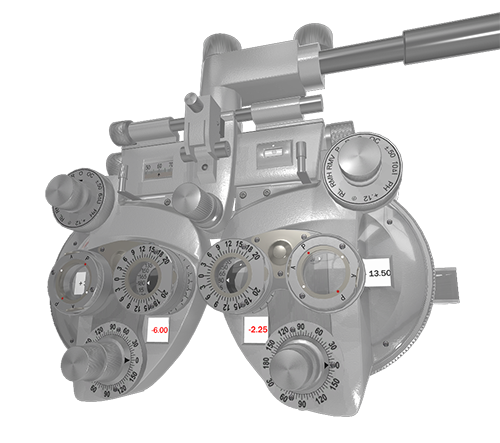
The Brien Holden Foundation provides eye care services, education and training initiatives and conducts research in order to eliminate uncorrected vision impairment and avoidable blindness.
In providing the current version of the Virtual Refractor, the Brien Holden Foundation acknowledges the support of the Australian Government through the Australian NGO Cooperation Program (ANCP).