Google solved this by creating a dedicated at https://www.google.com/m . Unlike the standard desktop version, this "m-dot" ( /m ) subdirectory serves a lightweight, touch-friendly interface designed for efficiency on cellular networks. If you open this URL today, you will be greeted by a clean search bar, large tappable buttons, and a layout that fits perfectly in the palm of your hand.
: This part identifies the client (device and its software) making the request. Let's decode it:
: A reflective Medium article discussing how mobile search quietly reshaped human behavior and learning styles.
The URL string "google https www.google.com m client ms-android-samsung-rvo1" represents a mobile-optimized search query executed on a Samsung Android device, indicating activity from a browser or app. Parameters within the string identify the device manufacturer, Android operating system, and a specific internal configuration code, commonly appearing in user search history. For a detailed breakdown of Google search parameters, visit SerpApi .
This stands for . It confirms that the communication between the mobile device and Google’s servers is encrypted. In the modern web, this is standard, but its presence here highlights that the request was secure, protecting the user’s query data from interception.
For the average user, this URL is just a piece of technical background. But understanding it provides valuable insight into the sophisticated data exchange happening with every search. It allows web developers and SEO specialists to see exactly how Google interprets a request, which is crucial for optimizing websites for mobile devices. For developers, understanding the client identifier can help with debugging issues related to search queries and how search results are integrated into applications.
You'll see different client values depending on the browser. For instance, a search from a Firefox desktop browser might include client=firefox-a . A standard search from Google's Chrome browser might send client=chrome or client=chrome-omni .
The rvo1 suffix is particularly interesting. It suggests Google has moved beyond generic manufacturer IDs into . This could be due to:
Modern Google search URLs can become quite long with parameters that are primarily for Google's internal use:
When you type a query into a pre-installed home screen widget, the phone doesn't just send your search terms; it appends a client tag like ms-android-samsung-rvo1 to the URL. This practice serves several critical technical and business purposes: 1. Optimization and Compatibility
Troubleshoot network issues that arise due to configuration changes.
Download a configuration file from a Cisco CMTS or network router to a PC.
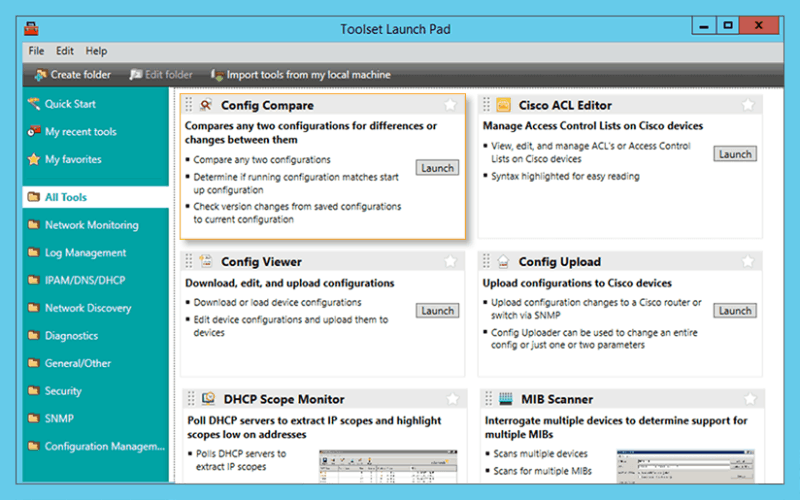
Upload configuration changes to a Cisco router or switch via SNMP.
Access essential network and device configuration management tools to help you stay on top of config changes.
Easy-to-use tool for remotely and quickly configuring NetFlow v5 via SNMP on supported Cisco devices.
Google solved this by creating a dedicated at https://www.google.com/m . Unlike the standard desktop version, this "m-dot" ( /m ) subdirectory serves a lightweight, touch-friendly interface designed for efficiency on cellular networks. If you open this URL today, you will be greeted by a clean search bar, large tappable buttons, and a layout that fits perfectly in the palm of your hand.
: This part identifies the client (device and its software) making the request. Let's decode it:
: A reflective Medium article discussing how mobile search quietly reshaped human behavior and learning styles.
The URL string "google https www.google.com m client ms-android-samsung-rvo1" represents a mobile-optimized search query executed on a Samsung Android device, indicating activity from a browser or app. Parameters within the string identify the device manufacturer, Android operating system, and a specific internal configuration code, commonly appearing in user search history. For a detailed breakdown of Google search parameters, visit SerpApi .
This stands for . It confirms that the communication between the mobile device and Google’s servers is encrypted. In the modern web, this is standard, but its presence here highlights that the request was secure, protecting the user’s query data from interception.
For the average user, this URL is just a piece of technical background. But understanding it provides valuable insight into the sophisticated data exchange happening with every search. It allows web developers and SEO specialists to see exactly how Google interprets a request, which is crucial for optimizing websites for mobile devices. For developers, understanding the client identifier can help with debugging issues related to search queries and how search results are integrated into applications.
You'll see different client values depending on the browser. For instance, a search from a Firefox desktop browser might include client=firefox-a . A standard search from Google's Chrome browser might send client=chrome or client=chrome-omni .
The rvo1 suffix is particularly interesting. It suggests Google has moved beyond generic manufacturer IDs into . This could be due to:
Modern Google search URLs can become quite long with parameters that are primarily for Google's internal use:
When you type a query into a pre-installed home screen widget, the phone doesn't just send your search terms; it appends a client tag like ms-android-samsung-rvo1 to the URL. This practice serves several critical technical and business purposes: 1. Optimization and Compatibility
Significantly reduce the time required to isolate and identify a bandwidth or network segment failure.
Generate a "Magic Packet" to remotely power on PCs attached to networks.
Protect your enterprise network with a strong password generator.
Decrypt any Cisco type-7 passwords for routers and switches. google https www.google.com m client ms-android-samsung-rvo1
Attack an IP address with SNMP queries to determine the SNMP read-only and read-write community strings. Google solved this by creating a dedicated at https://www
Use permuted hacker dictionaries to attack devices in an attempt to break into them or discover community strings. : This part identifies the client (device and
Perform Domain Name System-based Blackhole List (DNSBL) checks.
Remotely discover the devices that are connected to each port on a switch or hub.
Perform network stress tests with WAN Killer.
RECENT PRODUCTS
CATEGORIES
SUBSCRIBE
Get monthly updates and news.