Additionally, the industry is grappling with labor issues, particularly the "crunch" culture in animation studios. However, the rise of digital idols (VTubers) and AI-driven entertainment suggests that Japan will continue to lead the world in defining what "the future of fun" looks like. Conclusion
: Groups like AKB48 and Nogizaka46 rely on deep emotional bonds between fans and performers.
Japan played a foundational role in rescuing and shaping the global video game industry after the American market crash of 1983. Additionally, the industry is grappling with labor issues,
: The gaming sector will see deeper integration of blockchain technology and cryptocurrencies for secure, transparent in-game transactions, alongside expanded use of augmented reality (AR) and virtual reality (VR) to create immersive experiences.
The cultural construct of the Idol is deeply tied to the concept of (a budding affection) and Oshikatsu (supporting one's "push"). The relationship is transactional and emotional. Groups like AKB48 pioneered the "idols you can meet" concept, selling handshake tickets alongside CDs. Japan played a foundational role in rescuing and
Japan’s gaming industry redefined global entertainment in the late 20th century. Companies like Nintendo, Sony, and Sega rescued the global gaming market from collapse in the 1980s. They established iconic characters like Mario and Sonic as global ambassadors.
Japan's entertainment industry has its roots in traditional forms of storytelling, such as Kabuki theater and Noh drama, which date back to the 17th and 14th centuries, respectively. These classical art forms have had a lasting impact on Japanese popular culture, influencing modern forms of entertainment. For example, Kabuki's dramatic storylines and stylized performances have inspired modern Japanese theater and film. The relationship is transactional and emotional
There is a concept called : Protect, Detach, Leave. Japanese entertainers first learn to mimic the master exactly (Shu). Only after perfect replication can they break the rules (Ha). Then, finally, they create their own (Ri). This is why a Japanese game show can look like total chaos, but the camera angles, timing, and sound effects are mathematically precise.
Should we explore the behind anime production? Share public link
Even the concept of "Kawaii" (cuteness) has deep roots. What started as a subculture in the 1970s with Hello Kitty has become a national aesthetic, used by everyone from local police forces to major banks to appear more approachable and harmonious—a key tenet of Japanese society. Challenges and the Future



.png)


.avif)





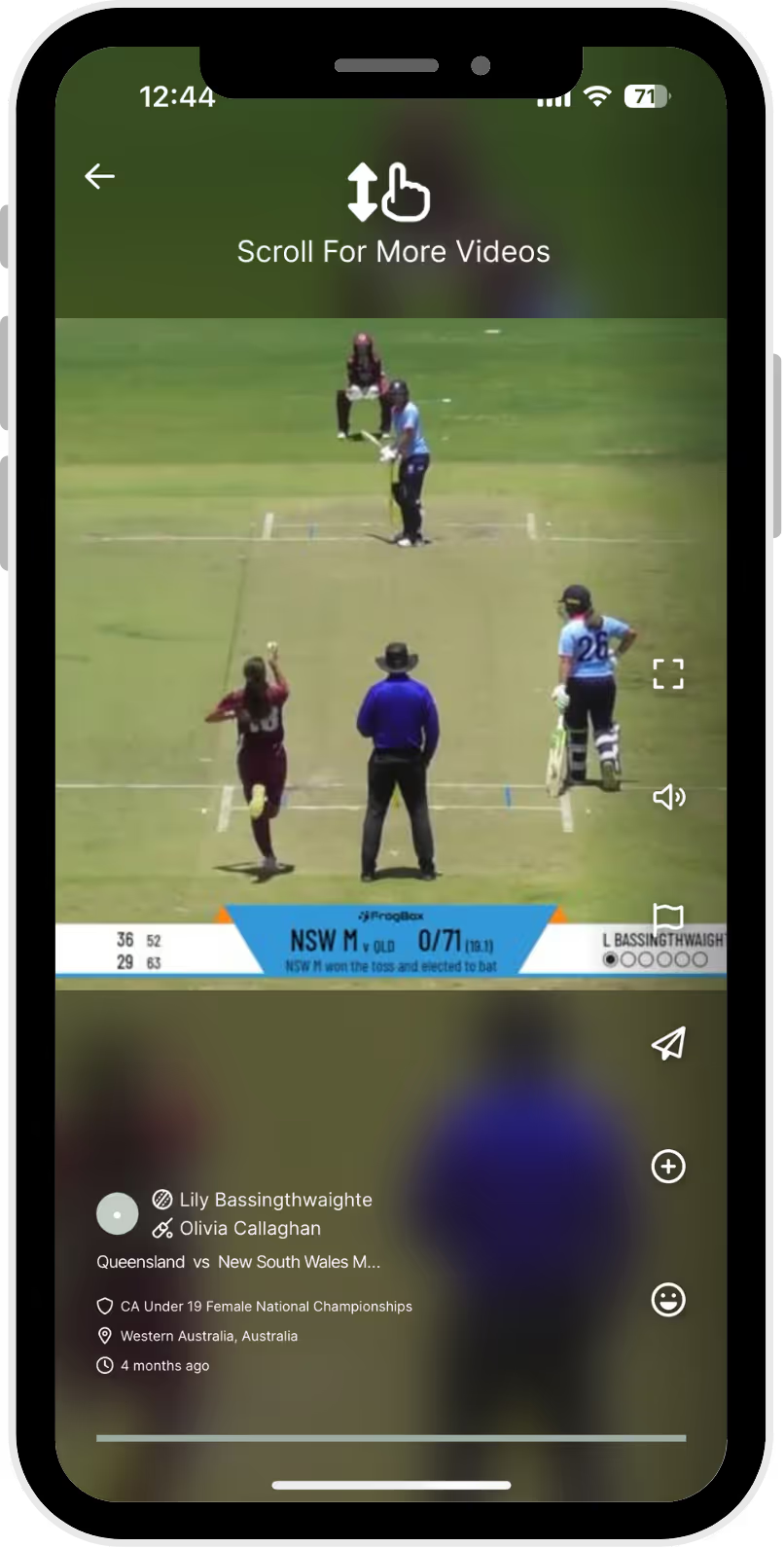

FrogBox is launching in New Zealand, bringing automated video capture, live streaming and shareable highlights to clubs and schools across the country.
To celebrate, clubs registering now can access a limited Early Adopter offer for the 2026/27 season.







Nico Foundry. All rights reserved. © 2026