










Nfs-texed 1.7 Jun 2026

Realistic Components

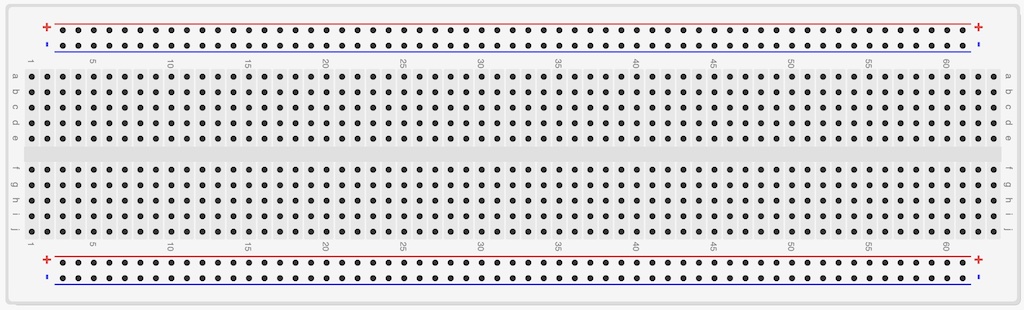
Prepare students and new employees to design, build, and work with real-world circuits.

Begin Simulation Using DCACLab

DCACLab Has Been Used By:

Logos are the property of their respective owners and are shown for illustrative purposes only. Appearance does not imply official endorsement.

Third slide

Learn Electronics the Smarter Way with DCACLab

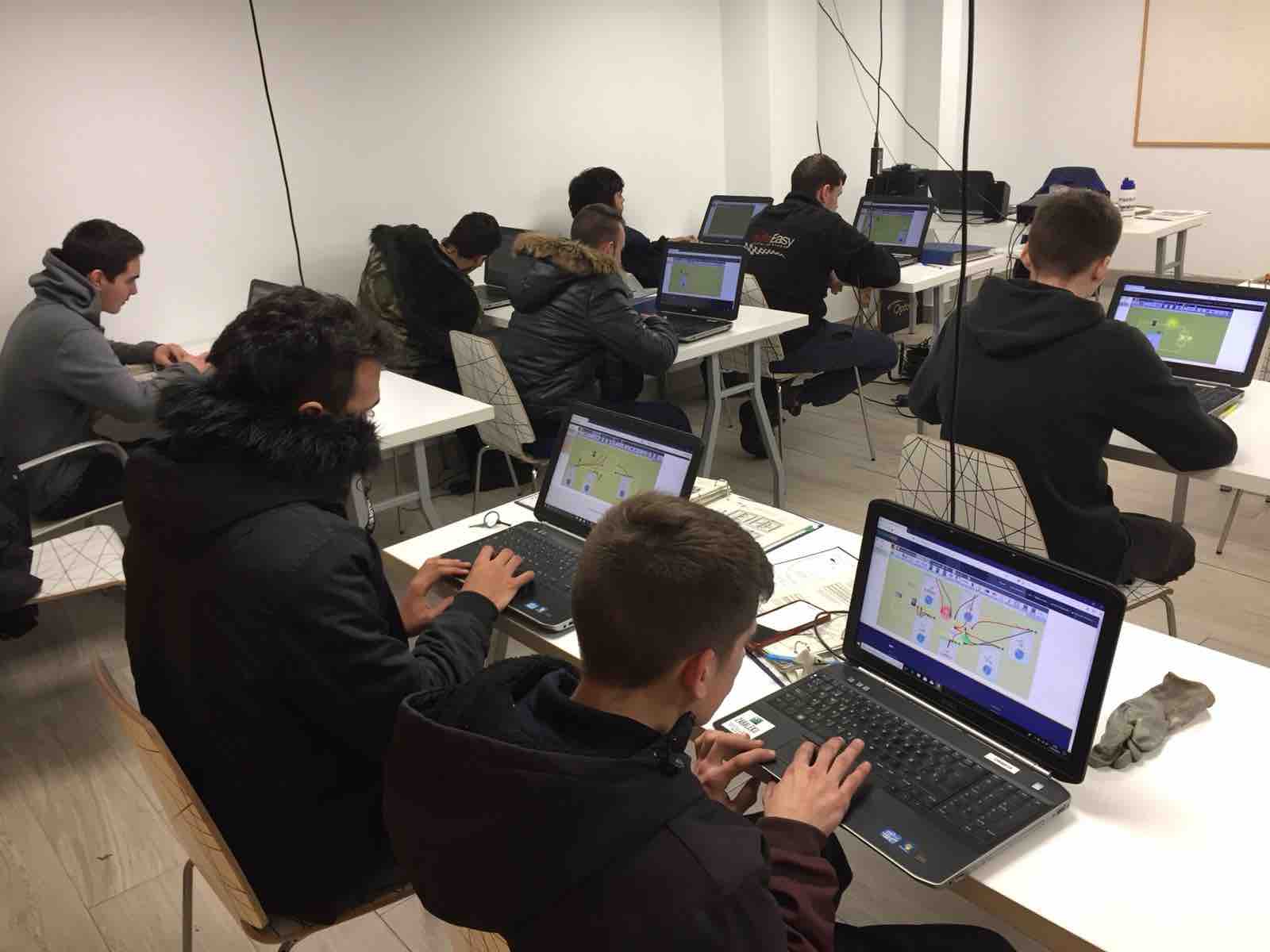
Struggling to understand electronic circuits? DCACLab transforms confusion into clarity with an intuitive online simulator for designing, simulating, and mastering circuits in real time.

Whether you're teaching or learning, our platform brings theory to life with interactive diagrams and hands-on exploration.

Begin Simulation Using DCACLab
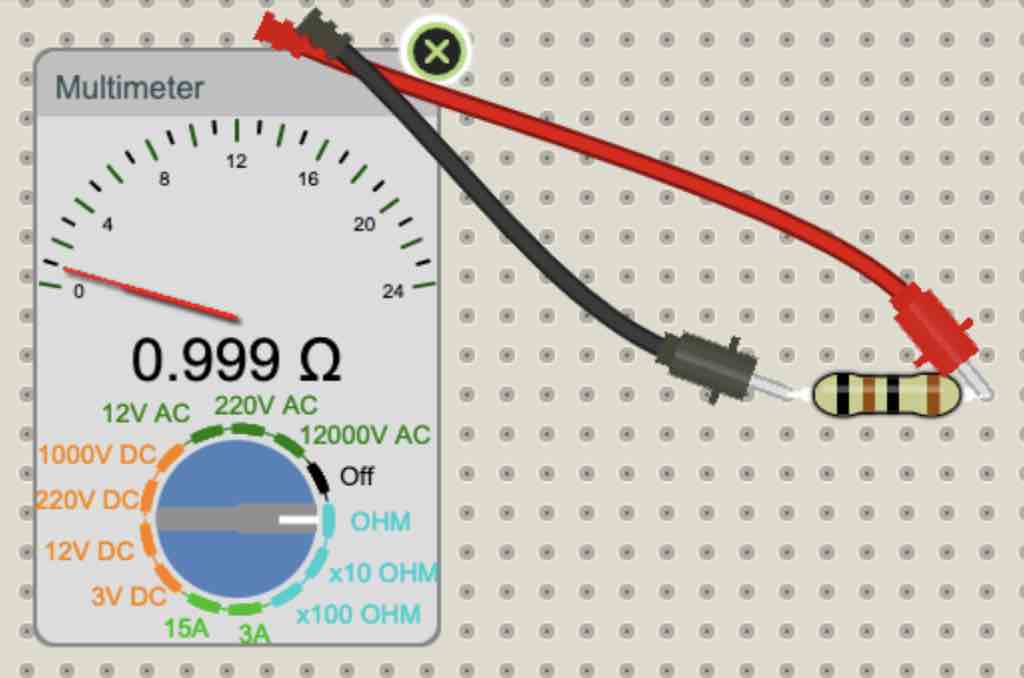
Realistic Multimeter

Realistic Multimeter

Explore the capabilities of a lifelike multimeter in our interactive simulator. Equipped with features for measuring ohms, voltage, and resistance, it offers an immersive and authentic educational experience. Delve into the realm of electronics with confidence and comprehension.

Resistor Color Code

Resistor Color Code

Learn the Resistor Color Code in an engaging and interactive way. Set resistance values by selecting colors or inputting numerical values. Deepen your understanding of electronics and the visual language of resistors with our intuitive simulator.

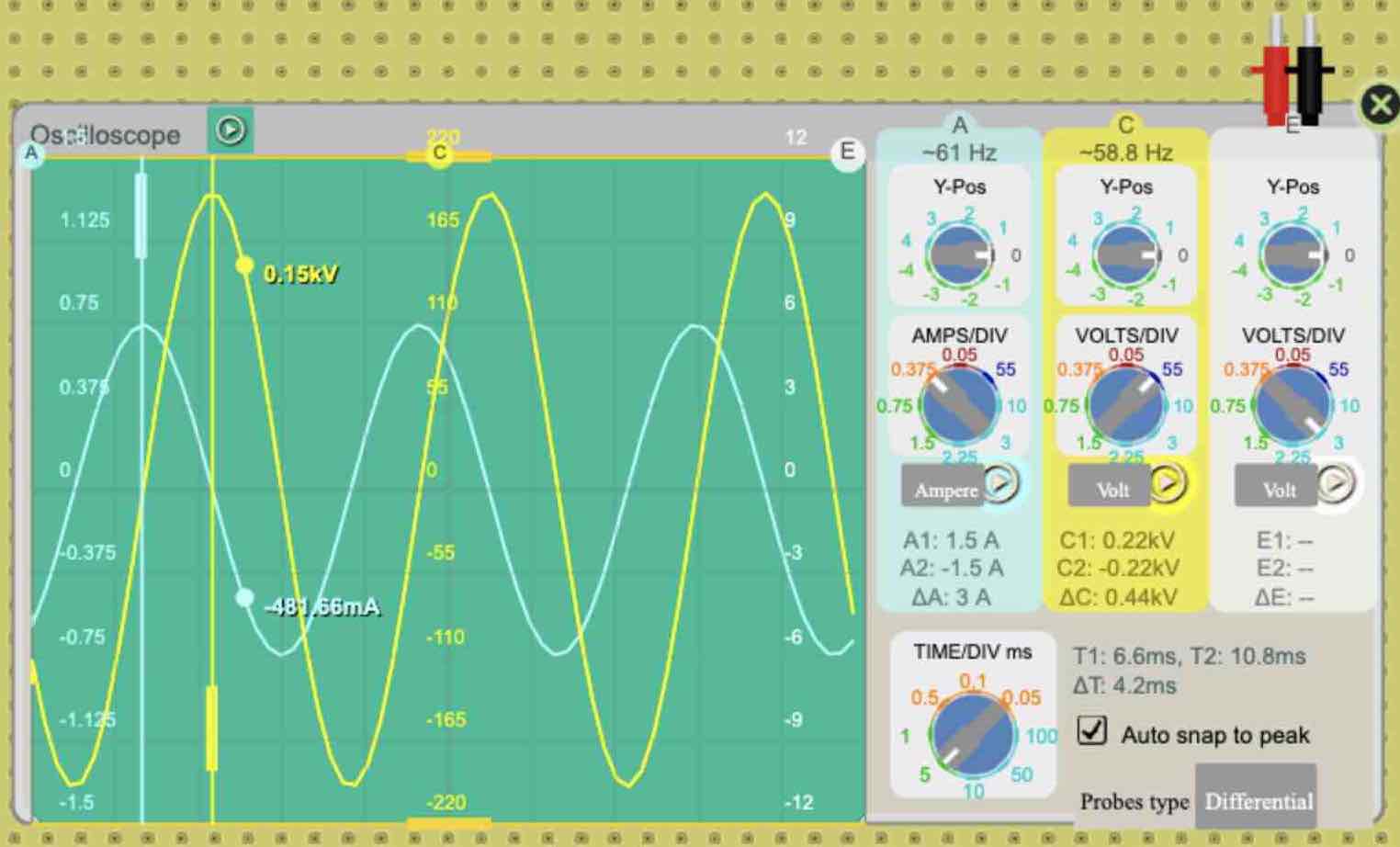
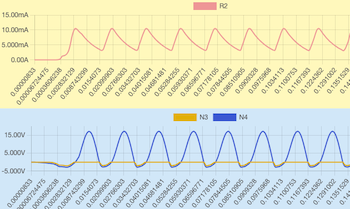
A 3 Channels Oscilloscope displayed in the interactive simulator, demonstrating real-time signal monitoring."

Three Channel Oscilloscope

Discover the capabilities of a 3-channel oscilloscope in our interactive simulator. View multiple signals in real-time and uncover insights into electronic circuit operations. An essential learning tool for beginners and experienced enthusiasts.

Student assignments

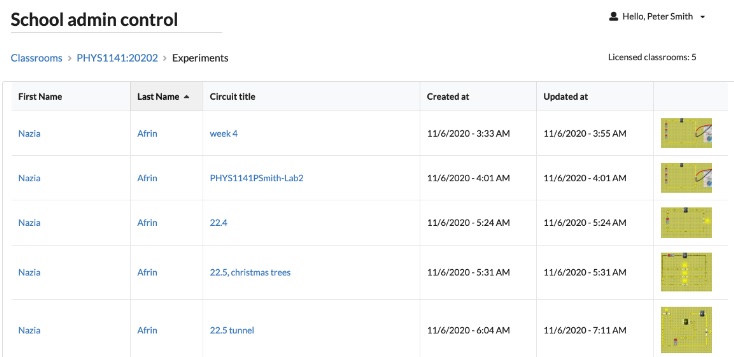
The Classroom feature and assignments in DCACLab revolutionize how educators assign and review student work. This user-friendly platform enables teachers to effortlessly distribute assignments, track student progress, and provide timely feedback. Streamlining administrative tasks, it empowers teachers to focus on teaching.

ClassRoom

Latest Forum Questions

Join our community discussions and get help from electronics enthusiasts worldwide.

Nfs-texed 1.7 Jun 2026

: Always run the executable with administrator privileges to ensure it can modify files within your Program Files directory. Open Archive File > Open and navigate to your game's Find Your Target

NFS-TexEd (Need for Speed Texture Editor) is a specialized archive manager designed to open, view, and modify .bin and .tpk texture files found in the Black Box era of NFS titles. Unlike standard image editors, it understands the proprietary compression and formatting used by the game engine, allowing users to safely import and export files. Key Features of Version 1.7:

Earlier versions of TexEd were generally limited to replacing existing textures. Version 1.7 introduced the ability to to the game's archives. This allowed modders to include entirely new decals, signage, or patterns without deleting any of the original content—a huge benefit for preserving the base game while expanding it.

Scroll through the list or use the search function to find the texture you want to change. Go to > Export (or right-click the item). nfs-texed 1.7

If the NFS connection is occasionally slow, maintain a local cache:

Before opening any files, navigate to your game's installation directory (e.g., C:\Program Files (x86)\EA GAMES\Need for Speed Most Wanted ). Locate the GLOBAL and CARS folders. Copy these folders and paste them into a secure backup directory on your desktop. Step 2: Open the Target Archive

Texture dimensions are invalid or memory limits were exceeded. : Always run the executable with administrator privileges

To avoid game crashes, always follow these constraints when preparing images for import: 1. The Power of Two Rule

The tool is renowned for its wide compatibility, supporting nearly the entire classic era of the franchise:

TexEd acts as a bridge. It unpacks these archives, converts the raw data into viewable images, and packages them back into the game directory without breaking the game code. Version 1.7 is widely considered the most stable release, fixing critical memory allocation bugs found in earlier versions (like 0.9.1 and 1.1) that frequently caused archives to corrupt during compression. Key Features of Version 1.7 Key Features of Version 1

Version 1.7 is the final and most stable release, fixing bugs from previous iterations and adding support for a wider range of texture types.

Given the rise of cloud IDEs and real-time collaboration, you might assume nfs-texed is an archaeological relic. However, communities in high-security environments (e.g., classified research, air-gapped networks) and legacy HPC clusters still rely on NFS-based workflows. Version 1.7, being the last stable release before development stalled in the mid-2000s, remains a reliable workhorse.

: The tool allows for updating multiple textures at once using a "Replace from folder" function.

Once imported, click . Close the program and launch your game to see your custom design completely integrated into the racing environment. Common Troubleshooting & Pro Tips

: Always run the executable with administrator privileges to ensure it can modify files within your Program Files directory. Open Archive File > Open and navigate to your game's Find Your Target

NFS-TexEd (Need for Speed Texture Editor) is a specialized archive manager designed to open, view, and modify .bin and .tpk texture files found in the Black Box era of NFS titles. Unlike standard image editors, it understands the proprietary compression and formatting used by the game engine, allowing users to safely import and export files. Key Features of Version 1.7:

Earlier versions of TexEd were generally limited to replacing existing textures. Version 1.7 introduced the ability to to the game's archives. This allowed modders to include entirely new decals, signage, or patterns without deleting any of the original content—a huge benefit for preserving the base game while expanding it.

Scroll through the list or use the search function to find the texture you want to change. Go to > Export (or right-click the item).

If the NFS connection is occasionally slow, maintain a local cache:

Before opening any files, navigate to your game's installation directory (e.g., C:\Program Files (x86)\EA GAMES\Need for Speed Most Wanted ). Locate the GLOBAL and CARS folders. Copy these folders and paste them into a secure backup directory on your desktop. Step 2: Open the Target Archive

Texture dimensions are invalid or memory limits were exceeded.

To avoid game crashes, always follow these constraints when preparing images for import: 1. The Power of Two Rule

The tool is renowned for its wide compatibility, supporting nearly the entire classic era of the franchise:

TexEd acts as a bridge. It unpacks these archives, converts the raw data into viewable images, and packages them back into the game directory without breaking the game code. Version 1.7 is widely considered the most stable release, fixing critical memory allocation bugs found in earlier versions (like 0.9.1 and 1.1) that frequently caused archives to corrupt during compression. Key Features of Version 1.7

Version 1.7 is the final and most stable release, fixing bugs from previous iterations and adding support for a wider range of texture types.

Given the rise of cloud IDEs and real-time collaboration, you might assume nfs-texed is an archaeological relic. However, communities in high-security environments (e.g., classified research, air-gapped networks) and legacy HPC clusters still rely on NFS-based workflows. Version 1.7, being the last stable release before development stalled in the mid-2000s, remains a reliable workhorse.

: The tool allows for updating multiple textures at once using a "Replace from folder" function.

Once imported, click . Close the program and launch your game to see your custom design completely integrated into the racing environment. Common Troubleshooting & Pro Tips

Begin Simulation Using DCACLab