
-3 Software [new] — Quantum Resonance Magnetic Analyzer
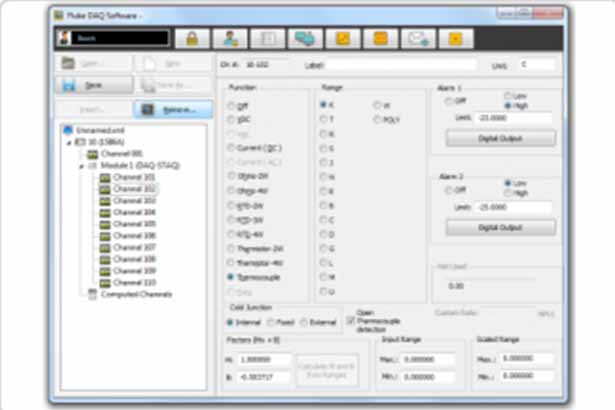
Simply connect your 2638A, 1586A, NetDAQ or 2680A Series to your computer and your current hard¬ware configuration will pre-populate in the configuration setup area, ready to edit if needed.


Simply connect your 2638A, 1586A, NetDAQ or 2680A Series to your computer and your current hard¬ware configuration will pre-populate in the configuration setup area, ready to edit if needed.
This public link is valid for 7 days and shares a thread, including any personal information you added. This link or copies made by others cannot be deleted. If you share with third parties, their policies apply. Can’t copy the link right now. Try again later.
One of the most practical upgrades in the 3rd generation software is the "Comparative Analysis Report." This feature allows users to compare the results of two separate tests side-by-side. This is particularly useful for tracking the effectiveness of a diet, exercise regimen, or supplement protocol over time.
Insert the provided CD/USB drive containing the software, or extract the downloaded zip file to your desktop. Right-click the setup.exe or installer file and select Follow the on-screen prompts to complete the installation wizard. Step 3: Insert the Encryption Dongle
The software includes a backend database where practitioners can input standard recommendations. If the software detects a vitamin D deficiency, it can automatically append specific dietary suggestions or supplement protocols to the final PDF report. Software Installation and System Requirements
Several investigative reports and reviews have highlighted the fundamental flaws in the QRMA system:
Once installed, the software is surprisingly straightforward. Users create a "profile" by inputting basic data like height, weight, age, and gender. To run a test, the user holds the handgrip sensor, and the operator clicks "Start" on the software interface.
The "-3" designation typically represents the third-generation software architecture designed for these analyzer devices. This version features significant upgrades over older editions, focusing on speed, report accuracy, and user interface design. 1. Comprehensive Health Reporting
Ensure you check the box to install the "USB Serial Driver" when prompted. This allows the computer to communicate with the hardware testing rod.
The QRMA uses magnetic resonance to analyze the electromagnetic waves emitted by the human body. It offers a painless, non-invasive way to detect potential health imbalances before they become serious issues.
The principles of informed consent and non-maleficence (do no harm) are central to ethical practice. Using a device with no proven validity to guide health recommendations violates both.
To help provide the most relevant troubleshooting or setup details, please let me know:
If you are a holistic practitioner, a home user interested in biofeedback, or a spa owner looking to add high-tech flair to your services, here is an honest breakdown of what the 3rd Generation software brings to the table.
The software is the most sophisticated part of the QRMA ecosystem, providing the user interface and generating the health reports. Here is a detailed look at its features and capabilities.
This public link is valid for 7 days and shares a thread, including any personal information you added. This link or copies made by others cannot be deleted. If you share with third parties, their policies apply. Can’t copy the link right now. Try again later.
One of the most practical upgrades in the 3rd generation software is the "Comparative Analysis Report." This feature allows users to compare the results of two separate tests side-by-side. This is particularly useful for tracking the effectiveness of a diet, exercise regimen, or supplement protocol over time.
Insert the provided CD/USB drive containing the software, or extract the downloaded zip file to your desktop. Right-click the setup.exe or installer file and select Follow the on-screen prompts to complete the installation wizard. Step 3: Insert the Encryption Dongle
The software includes a backend database where practitioners can input standard recommendations. If the software detects a vitamin D deficiency, it can automatically append specific dietary suggestions or supplement protocols to the final PDF report. Software Installation and System Requirements Quantum Resonance Magnetic Analyzer -3 Software
Several investigative reports and reviews have highlighted the fundamental flaws in the QRMA system:
Once installed, the software is surprisingly straightforward. Users create a "profile" by inputting basic data like height, weight, age, and gender. To run a test, the user holds the handgrip sensor, and the operator clicks "Start" on the software interface.
The "-3" designation typically represents the third-generation software architecture designed for these analyzer devices. This version features significant upgrades over older editions, focusing on speed, report accuracy, and user interface design. 1. Comprehensive Health Reporting This public link is valid for 7 days
Ensure you check the box to install the "USB Serial Driver" when prompted. This allows the computer to communicate with the hardware testing rod.
The QRMA uses magnetic resonance to analyze the electromagnetic waves emitted by the human body. It offers a painless, non-invasive way to detect potential health imbalances before they become serious issues.
The principles of informed consent and non-maleficence (do no harm) are central to ethical practice. Using a device with no proven validity to guide health recommendations violates both. Can’t copy the link right now
To help provide the most relevant troubleshooting or setup details, please let me know:
If you are a holistic practitioner, a home user interested in biofeedback, or a spa owner looking to add high-tech flair to your services, here is an honest breakdown of what the 3rd Generation software brings to the table.
The software is the most sophisticated part of the QRMA ecosystem, providing the user interface and generating the health reports. Here is a detailed look at its features and capabilities.