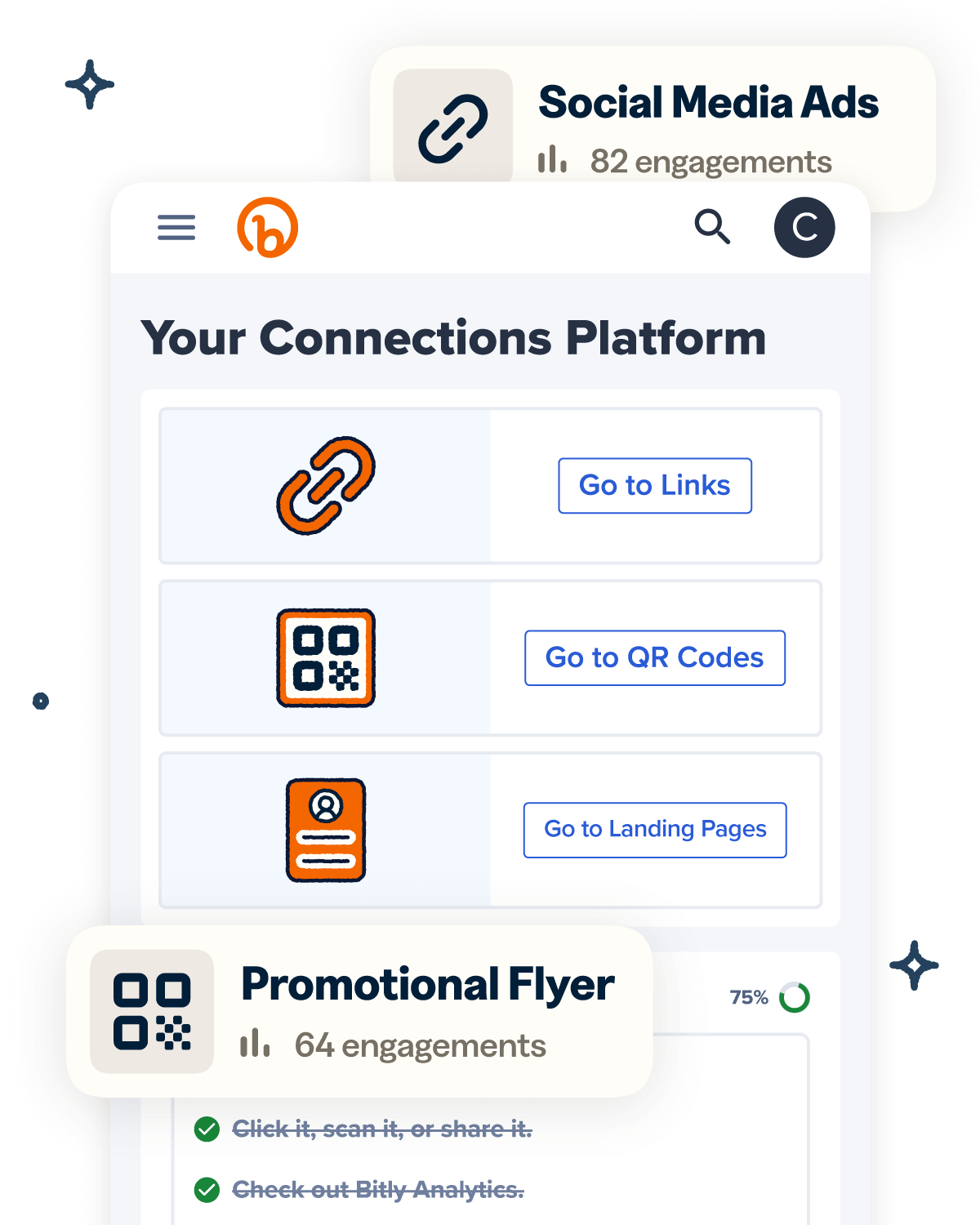
More than a link shortener
Knowing how your clicks and scans are performing should be as easy as making them. Track, analyze, and optimize all your connections in one place.


Understanding these exclusive updates allows economists, epidemiologists, and data scientists to fully leverage the software for publication-quality outcomes. 1. Exclusive Statistical Estimators & Analytical Tools
Stata has long been a trusted companion for researchers in economics, biostatistics, epidemiology, sociology, and countless other disciplines that demand robust data analysis. First released in 1985, Stata has grown from a modest command-line tool into a comprehensive statistical software package with a devoted global following. With each major version, StataCorp adds new features and refines existing workflows. Stata 18, released in April 2023, is no exception. But what does “exclusive” mean in the context of Stata 18?
I. The Core of "Exclusive" Features: Bayesian Model Averaging Perhaps the most significant addition to Stata 18 is the command suite stata 18 exclusive
Meta-analysis features see crucial expansions for medical and social science researchers.
The relationship between Stata and Python has deepened considerably over recent versions, but Stata 18 introduces exclusive enhancements that make the two environments work together more seamlessly than ever. First released in 1985, Stata has grown from
Includes performance improvements and better visual feedback during operations like filtering. Reporting and Visualization
Stata 18 Exclusive: Power, Speed, and Next-Generation Data Science But what does “exclusive” mean in the context
The parallel processing engine of Stata/MP has been re-engineered for 2026-era multi-core processors.
Hundreds of pages of manual entries for every command.
If you are still using Stata 17 or an even older version, the question is not whether you should upgrade, but when . The exclusive features of Stata 18 collectively solve real, practical problems that researchers encounter daily. Heterogeneous DID allows you to estimate treatment effects correctly when assumptions of homogeneity are violated. Bayesian model averaging helps you make robust inferences in the face of model uncertainty. The new reporting tools save you hours of manual table copying and reformatting. And the frame sets and alias variables transform how you manage complex, multi‑source data projects.
Allows users to decompose total effects into direct and indirect paths, essential for understanding causal mechanisms.

Knowing how your clicks and scans are performing should be as easy as making them. Track, analyze, and optimize all your connections in one place.