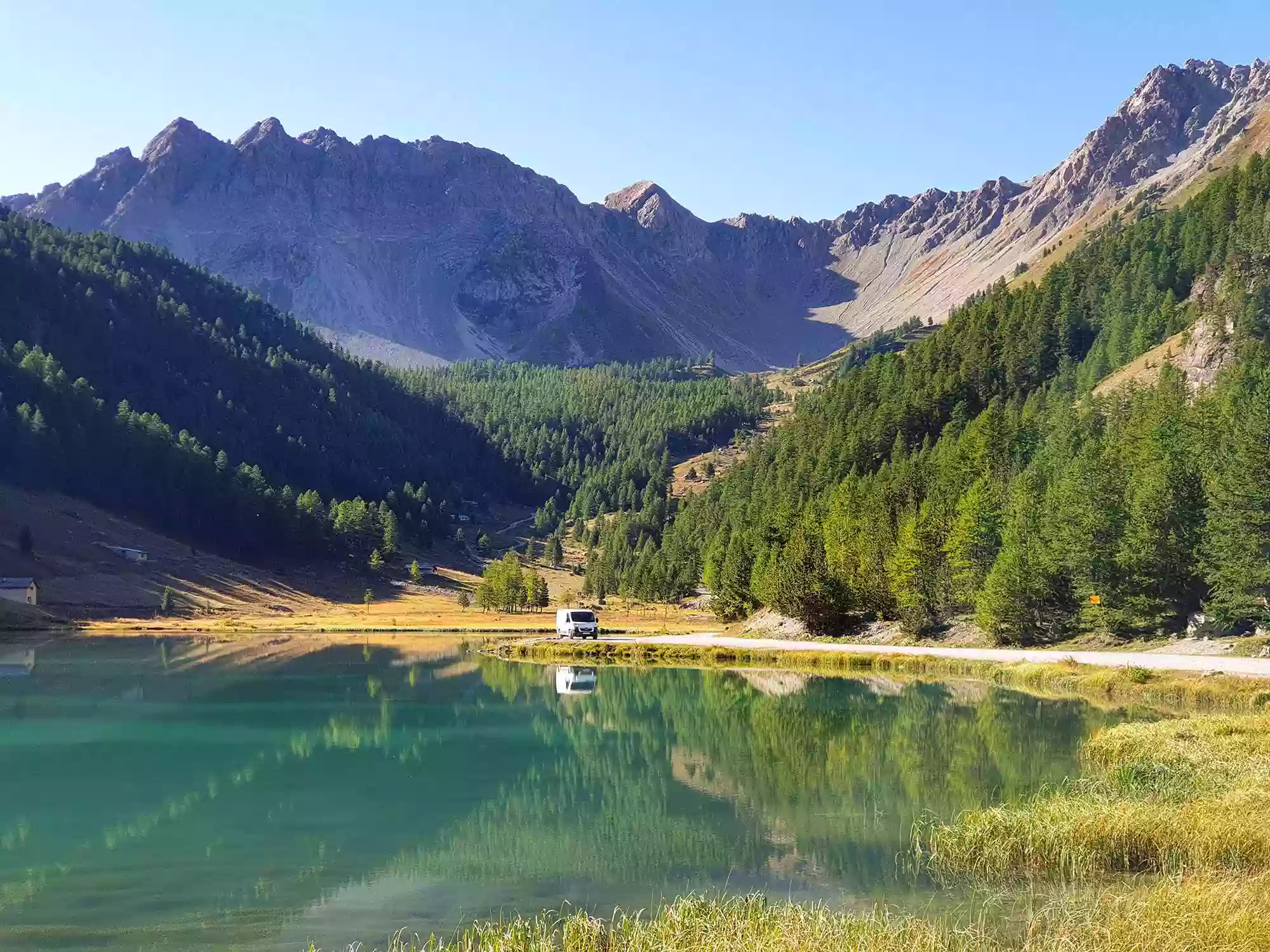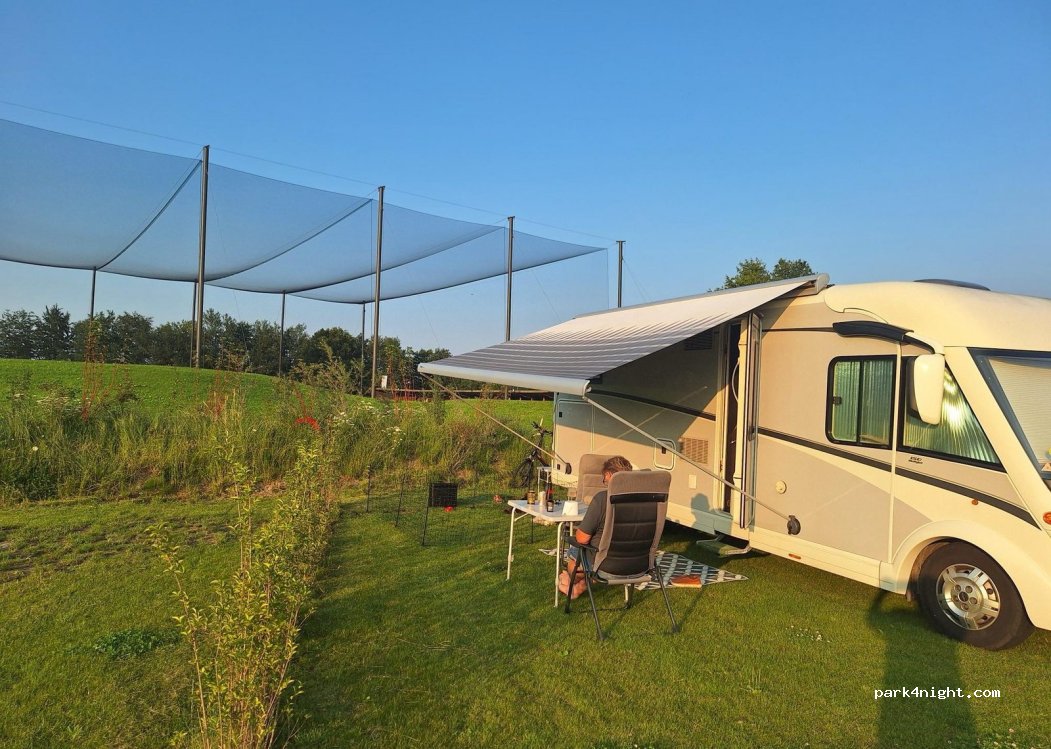

 (3898 LL) Harderwold


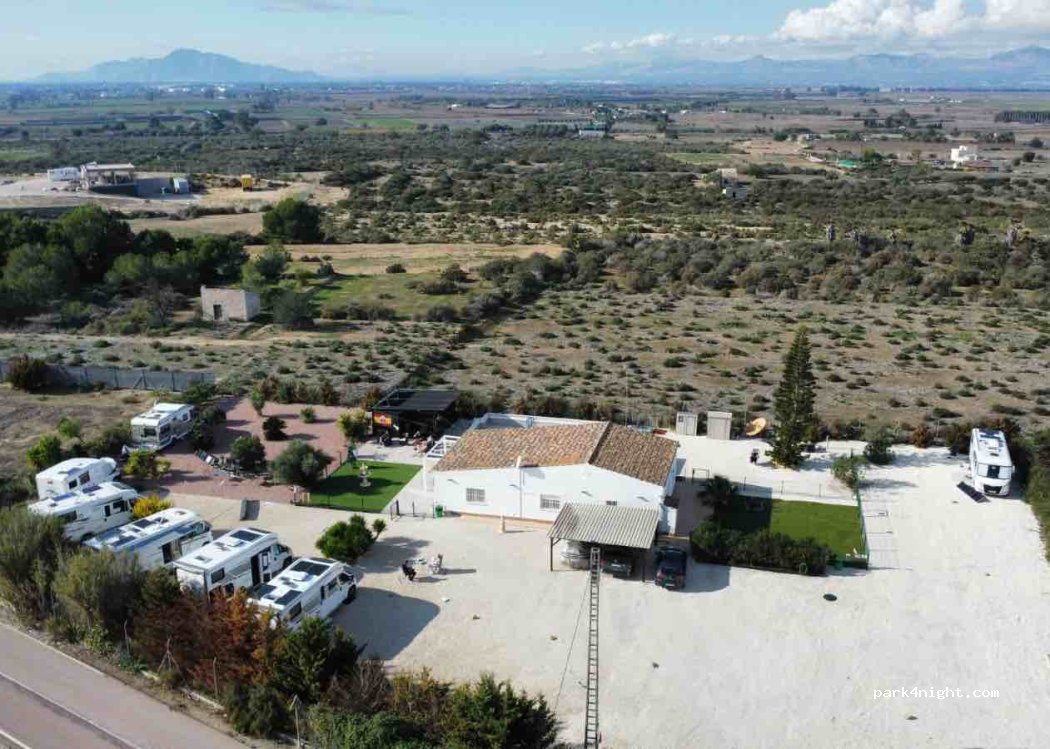
 (3360) Caravan Park U Makaka /Área de autocaravanas


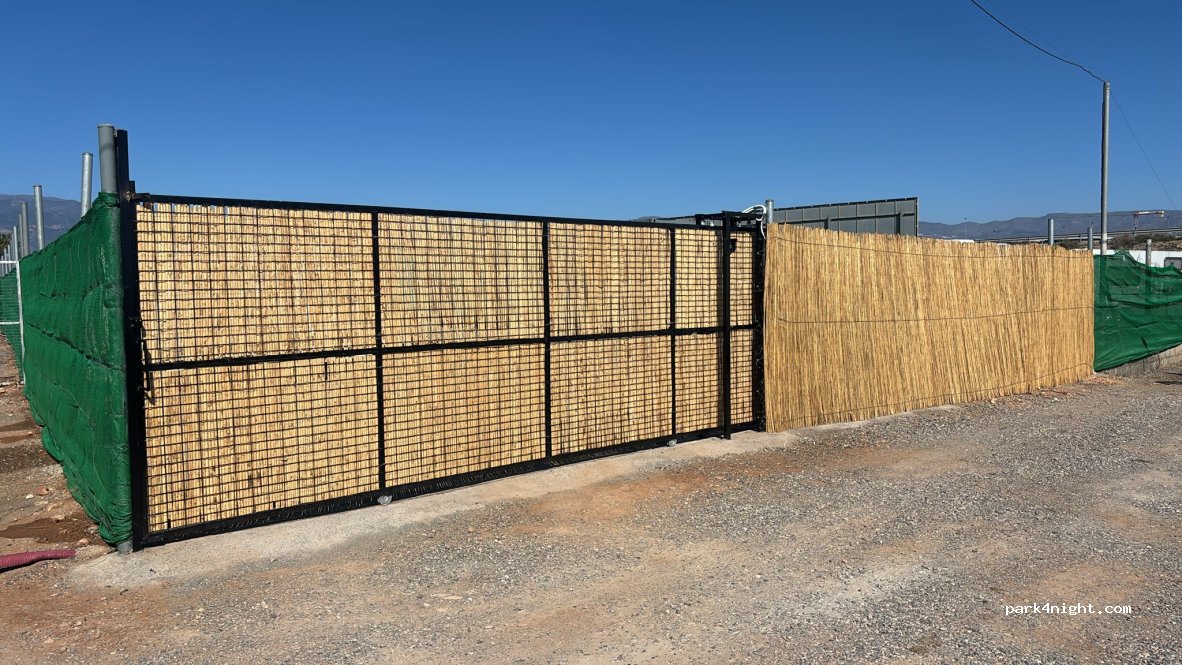


 (09474) Wohnmobilstellplätze Räucherkerzenland

 (8752) Vestbirk Camping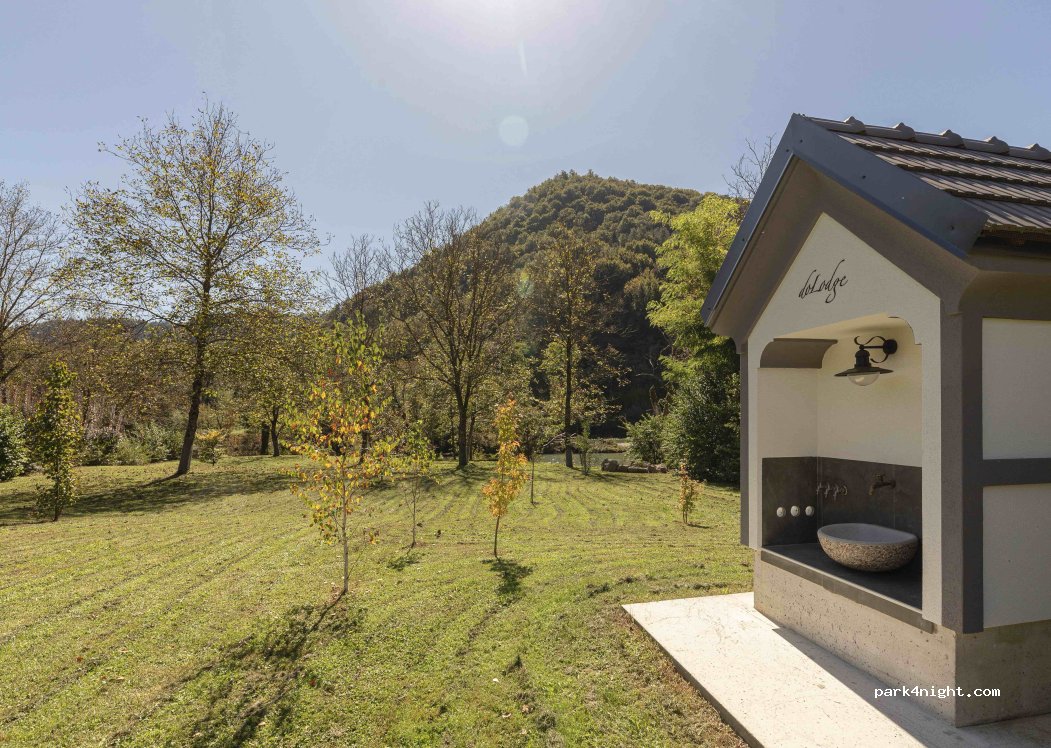

 (8342) doLodge Camper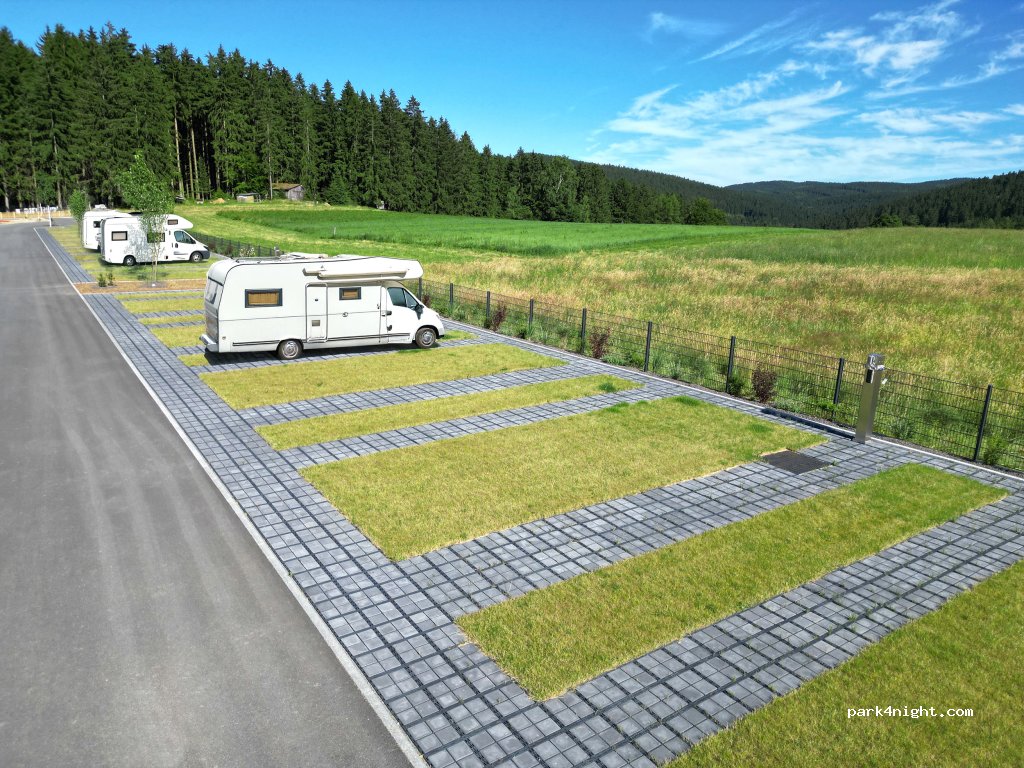
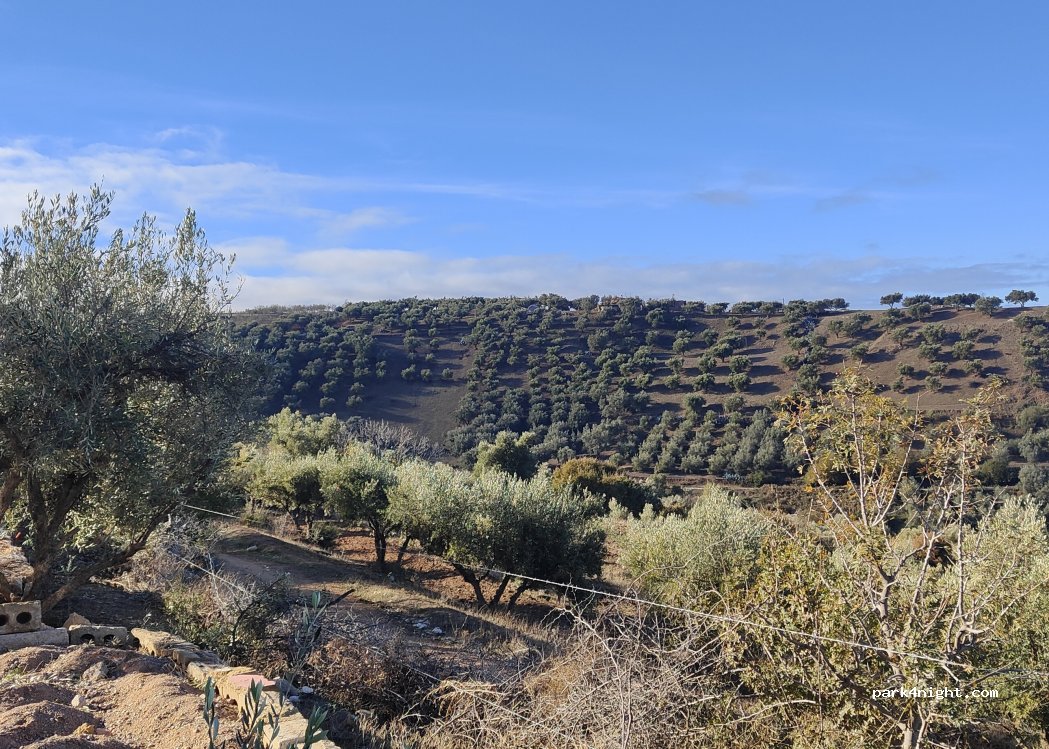
 (50040) Olives et traditions : Le camping autrement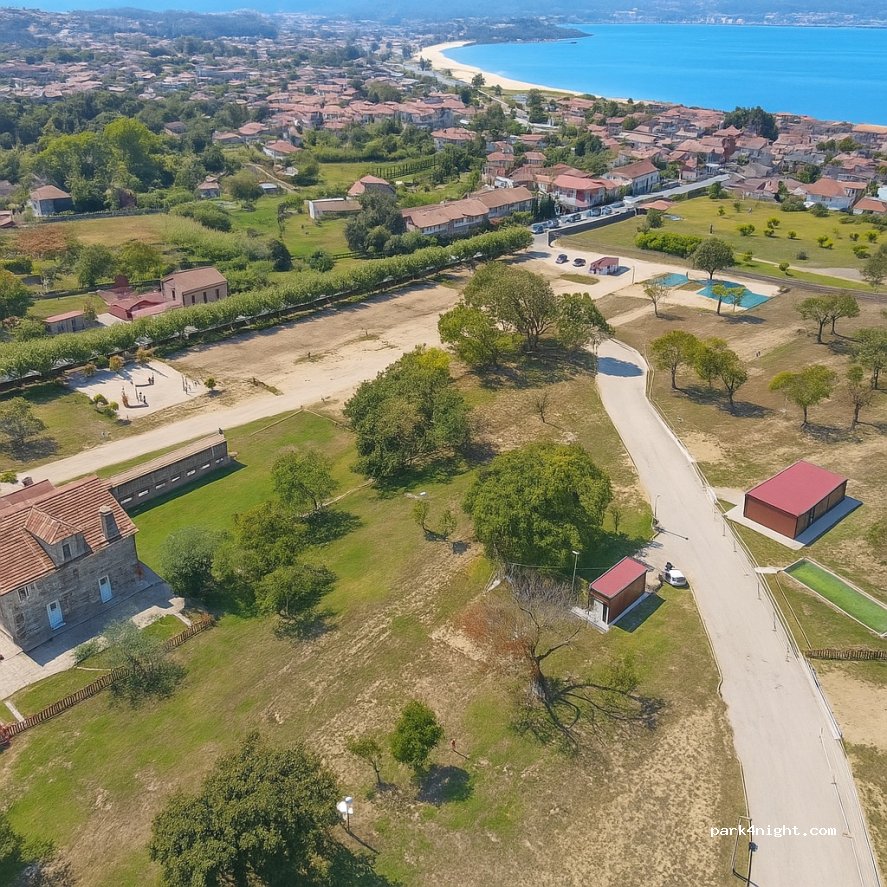

Virtual Audio Cable Jun 2026
A Virtual Audio Cable (VAC) is a software-based audio bridge. It creates virtual input and output devices. It lets you route audio between applications without hardware cables. How Virtual Audio Cables Work
If you just want to listen to music, skip it.
Modern versions of VAC fully support WASAPI (Windows Audio Session API), the audio architecture Microsoft introduced with Windows Vista to replace the older DirectSound model. WASAPI's key advantage is session isolation—each audio application runs its own independent audio session. VAC works alongside WASAPI to bridge these isolated sessions. virtual audio cable
Think of it as a on Windows.
| Feature | VAC (Original) | VB-Cable | VoiceMeeter | JACK | |---------|---------------|----------|-------------|------| | Cost | Shareware/paid | Free | Free | Free/Open Source | | Multiple cables | ✓ (up to 256) | Limited | ✓ | ✓ | | Built-in mixing | No | No | ✓ | No | | Effects processing | No | No | ✓ | No | | Cross-platform | Windows only | Win/Mac | Windows | Win/Mac/Linux/BSD | | ASIO support | ✓ | Limited | ✓ | ✓ | | Learning curve | Moderate | Low | Moderate | Steep | A Virtual Audio Cable (VAC) is a software-based audio bridge
Virtual audio cables have a wide range of applications in audio production, live streaming, and online communication. Here are some common use cases:
Set one of your devices to CABLE Output (VB-Audio Virtual Cable) . How Virtual Audio Cables Work If you just
Made by VB-Audio, this is a virtual mixer that includes multiple virtual cables and more advanced routing, but it is much more complex than a simple cable. Troubleshooting & Best Practices

 Caravan, Motorhome & Adventure
 Camper Caravan Show Warsaw
 Camper Van Week-End Angers-Brissac
 The Motorhome and Caravan Show
 park4night
 Off-line mode (no connection)
 Search your itinerary
 Contact the campsites and private accommodation easily
 And other benefits