Tobrut Susu Gede Nyepong Kena Ewe - Wanita Jilbab Pink

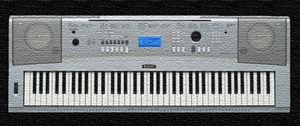
Yamaha DGX 220 Your Ad Here

Yamaha DGX "portable grand" is the most playful yamaha keyboard for different melodies and world styles. Enjoy using it.

full Yamaha styles


A admired arranger series from Yamaha, the Yamaha DGX grand piano keyboard series has keyboard instruments with more than 61 keys. The advanced models in this series come with 88 fully weighted piano action keys that feel more like a piano. These keyboards bring you the best of an arranger and a digital piano.

Though the Clavinova and the Arius pianos look and feel more like proper pianos, most music enthusiasts will find them quite expensive.

Whereas a Yamaha DGX keyboard is far more affordable as far as price is concerned. Yamaha DGX 230 and Yamaha DGX 640 are two keyboards in this series, one at the lower end and the other at the top of this series.

A typical Yamaha DGX grand piano keyboard is designed to be more portable, but some can still give you a decent workout. Weighted keys and bundled stand can be some of the reasons for making the keyboard a bit heavy.

Keyboard functions like several sounds, styles, and effects can be found on these DGX keyboards. You will also find features like USB to Device terminal, USB to Host terminal, pitch bend on some of these models.

Overall, the DGX keyboards give you the best of a digital piano and an arranger at a price that you cannot resist. These are any day more inspiring to practice upon than any other 61 key arrangers. So if all this sounds interesting, check out the 88 key Yamaha DGX grand piano keyboard today.


2-4
6-8
Ballad
Ballroom
Bigband
Classic
Country
Disco
Easy listening
Instruments
Jazz
Latin
Learning
Polka
Pop
R&B
Rock
Unsorted
World
Xmas


In this site you can download free yamaha styles from everywhere in the world. Unique collections of voices, midi, style files and registry information in the whole world.

Tobrut Susu Gede Nyepong Kena Ewe - Wanita Jilbab Pink

Jilbab fashion refers to the style of clothing worn by Muslim women who choose to cover their hair and body in accordance with Islamic modesty guidelines. The term "jilbab" comes from the Arabic language, meaning "to cover." Over time, jilbab fashion has evolved to incorporate various designs, colors, and styles, catering to diverse tastes and preferences.

The jilbab has become a powerful symbol of cultural identity, faith, and personal expression. For many Muslim women, wearing a jilbab is a way to assert their autonomy, confidence, and sense of self. In a world where cultural and religious diversity are often underrepresented, the jilbab serves as a beacon of inclusivity and acceptance.

If you're interested in learning more about modesty, cultural diversity, and personal choices, I recommend exploring the following topics: Wanita Jilbab Pink Tobrut Susu Gede Nyepong Kena Ewe

As we engage with stories like this, it's crucial to foster an environment of understanding and respect. By doing so, we can appreciate the diversity of human experience and expression.

The phrase "pink tobrut susu gede nyepong kena ewe" roughly translates to a stylish and eye-catching combination of pink-colored jilbab and a bold, confident attitude. Tobrut susu gede refers to a style of jilbab that covers the chest and shoulders, while nyepong kena ewe implies a sense of confidence and poise. When combined with the color pink, this look becomes a stunning representation of feminine elegance and charm. Jilbab fashion refers to the style of clothing

The rise of jilbab fashion has helped challenge stereotypes and misconceptions surrounding Muslim women and their clothing choices. The keyword "Wanita Jilbab Pink Tobrut Susu Gede Nyepong Kena Ewe" may seem unusual or even provocative to some, but it highlights the diversity and individuality within the Muslim community.

The keyword "Wanita Jilbab Pink Tobrut Susu Gede Nyepong Kena Ewe" highlights the intersection of culture, faith, and social norms. It is essential to recognize that women who wear the hijab, like all individuals, have diverse experiences, choices, and preferences. For many Muslim women, wearing a jilbab is

In recent years, the term "Wanita Jilbab Pink Tobrut Susu Gede Nyepong Kena Ewe" has gained traction online, sparking curiosity and interest among netizens. While the phrase may seem unfamiliar or even perplexing to some, it represents a unique intersection of cultural identity, fashion, and personal expression.